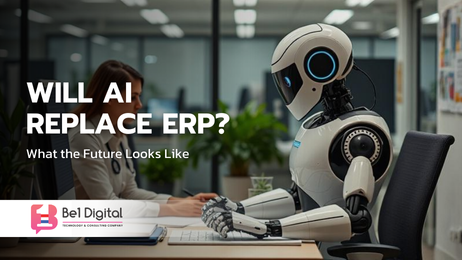
Enterprise Resource Planning (ERP) systems have become essential tools in modern business operations, integrating various processes and functions across an organization. One key area where ERP solutions have transformed operations is Human Resources (HR) management. By streamlining HR processes, improving data accuracy, and offering valuable insights, ERP systems deliver substantial advantages to organizations of all sizes. This article will explore how ERP can enhance HR management and why it’s a crucial investment for businesses.
1. Streamlined HR Processes
ERP systems simplify and automate HR tasks, such as recruitment, payroll, performance management, and employee benefits administration. With an integrated system, HR professionals can manage all functions in a single platform, reducing the complexity of juggling multiple systems. This streamlining leads to improved efficiency and reduced administrative workload, allowing HR staff to focus on more strategic initiatives like talent development and employee engagement.
2. Improved Data Accuracy and Reporting
One of the biggest challenges in HR is maintaining accurate employee records. ERP systems centralize all HR data in one database, ensuring consistency and reducing errors caused by manual entry or disparate systems. With real-time access to data, HR managers can generate accurate reports on employee performance, attendance, and compensation. This enhances decision-making and allows for better strategic planning.
3. Enhanced Compliance and Risk Management
HR departments are responsible for ensuring that the company complies with various labor laws and regulations. ERP systems can help businesses stay compliant by automating updates to policies, tracking employee certifications, and ensuring timely reporting. ERP software can also reduce the risk of non-compliance by offering audit trails and alerts for HR teams to stay on top of changing regulations.
4. Better Employee Experience and Engagement
ERP systems provide tools for better employee engagement by offering self-service portals. These portals allow employees to access their payroll information, benefits, and personal data, reducing the need for HR staff to field repetitive inquiries. This not only improves employee satisfaction but also allows HR teams to allocate their time more effectively.
5. Scalable HR Management
As businesses grow, so do their HR needs. ERP systems are scalable, meaning they can evolve alongside the organization. Whether managing a larger workforce, incorporating new locations, or adding additional HR functions, ERP systems can adapt without requiring a complete overhaul. This scalability ensures that businesses can continue to rely on their ERP system for HR management as they expand.
6. Data-Driven Insights for Strategic HR Decisions
Modern ERP systems offer advanced analytics and reporting tools that provide HR managers with valuable insights into workforce trends, turnover rates, employee performance, and more. These insights help HR departments make data-driven decisions that support business objectives, such as improving retention, identifying skill gaps, and aligning workforce planning with overall business strategy.
7. Integration with Other Business Functions
One of the most powerful features of ERP systems is their ability to integrate HR data with other business functions, such as finance, sales, and operations. This integration ensures a holistic view of organizational performance, making it easier to align HR initiatives with business goals. For example, HR can collaborate with finance to manage compensation and benefits or with operations to optimize workforce planning based on project needs.


 รู้จัก Be1 Digital เพิ่มเติมได้ที่